
Mediflow Expands to Indonesia, Introduces Advanced Airflow Systems for Global-Standard Hospital Infrastructure
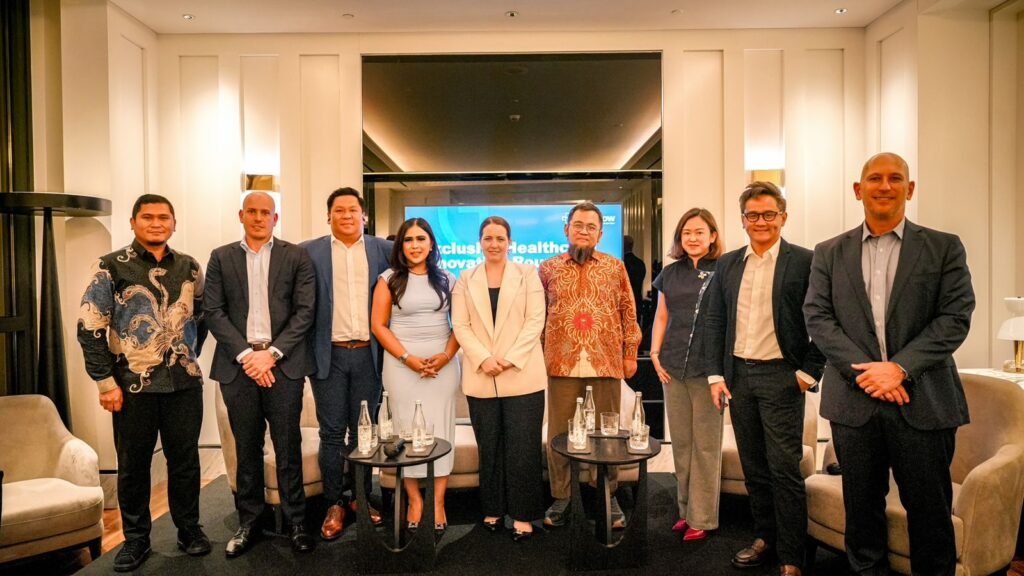
Jakarta, April 24, 2026 – Australian med-tech company Mediflow is expanding into Southeast Asia by positioning Indonesia as a key strategic market, amid growing demand for internationally standardized hospital infrastructure and enhanced surgical safety. Following its successful track record delivering advanced operating theatre infrastructure across leading hospitals in Australia, as well as its recent expansion into Thailand, including an upcoming project at Bumrungrad Hospital Phuket, Mediflow is now entering the Indonesian market as its next phase of regional growth. Focuses on integrated clean air systems for healthcare environments, Mediflow delivers advanced ventilation technology in operating rooms designed to improve patient safety while supporting sustainable hospital performance. Its solutions emphasize improved air quality and infection control—critical factors in reducing surgical site infections and enhancing long-term operational efficiency. This expansion aligns with Indonesia’s healthcare transformation agenda, where infrastructure modernization has become a key priority to improve service quality and strengthen the sector’s global competitiveness. Jordan Gear, Founder and Managing Director of Mediflow, emphasized that the operating room environment is increasingly recognized as a critical component of modern healthcare systems. “We are excited to expand into Indonesia as the country continues to advance its healthcare infrastructure toward global standards. At Mediflow, we believe clinical governance starts with transparency, capturing outcomes so we can continuously improve patient safety. Without proper surveillance, we can’t make informed decisions. Operating theatres shouldn’t just be seen as compliance requirements, they are strategic assets that directly impact both patient outcomes and hospital performance,” he said. This perspective underscores a broader industry shift toward data-driven healthcare management, where infection control is no longer viewed as an isolated clinical issue, but as a system-wide performance indicator. He also noted that Surgical Site Infections (SSIs) can cost between USD 10,000 and USD 100,000 per case, yet these are often absorbed as hidden costs within hospital systems Clinical insights indicate that up to 90% of infections in clean surgical procedures, such as orthopedic and implant surgeries are associated with airborne contamination. This underscores the importance of ventilation systems, airflow control, and clean-room design in reducing infection risks and improving clinical outcomes. While global benchmarks provide a clear direction, the challenge becomes more pronounced in emerging healthcare systems. In Indonesia, where infection rates are estimated to be up to three times higher than global benchmarks and standardized data remains limited, strengthening operating room infrastructure presents a significant opportunity to improve patient safety and healthcare outcomes. Addressing these challenges requires not only awareness, but also the adoption of integrated technologies that can improve environmental control in operating rooms. Mediflow offers a modular solution that integrates airflow systems, HEPA filtration, surgical lighting, and structural support into a single platform. This approach is designed to accelerate both construction and renovation processes while ensuring a safer and more efficient surgical environment. In line with this, Lauren Adams, Australia’s Trade and Investment Commissioner, highlighted Australia’s longstanding partnership with Indonesia to support strengthened healthcare systems. “Australia is well regarded for its healthcare capabilities, including healthcare systems and infrastructure, specialist clinical expertise, education, skills, digital health and innovation. We are seeing strong growth in Australian companies exploring opportunities in Indonesia, importantly these companies place a strong emphasis on partnerships—working closely with local hospitals, clinicians, and industry stakeholders to ensure solutions are fit-for-purpose and address the real needs of patients,” she said. She also acknowledged both the opportunities and complexities of the Indonesian market as Indonesia represents a significant growth opportunity, given its scale, rising demand for healthcare services, and strong commitment to improving the quality and capacity of the sector. While the market can be complex, there is clear momentum from both government and industry to strengthen the healthcare system, not only in infrastructure, but also in skills, education, and long-term capability building. The Australian Trade and Investment Commission is committed to supporting stronger commercial partnerships in Indonesia’s healthcare sector, bringing the best of Australia’s expertise and capabilities to support Indonesian industry and government to realise their ambitions for the sector. The importance of environmental control is further reinforced by clinical and scientific insights. dr. Ridha Wahyutomo, M.Arch, SpMK, CHRA, FISQua, a clinical microbiologist, representative of INASIC with expertise in architecture, emphasized that infection is not solely a patient-related issue, but a complex interaction involving the environment. “Infection is the interaction between the host, the agent, and the environment. However, the environment, particularly air quality, is often overlooked, even though it plays a critical role in transmission. There is no truly sterile room in the real world, only clean rooms. That is why environmental control, including ventilation, temperature, and humidity, is essential in reducing infection risk. ACH and air pressure are important factors in the operating room to ensure that infection transmission can be properly controlled,” he said. These findings are echoed by clinicians working directly in operating rooms, where infection risks are encountered in real time. From a frontline clinical perspective, Dr. Ricky Edwin P. Hutapea, Sp.OT, SubSp. PL (K), Orthopedic Surgeon at Eka Hospital and Chairman of KOPOTIS, also highlighted the real-world impact of infections in operating rooms. “Infection is the nightmare for every surgeon. Maintaining a sterile operating room environment is critical to preventing complications and ensuring patient recovery. However, infection control does not rely on a single factor, but rather on four key pillars, such as the patient, the environment or infrastructure, the behavior of the surgical team, and the hospital’s infection control committee. Consistency across these four pillars is essential to improving patient safety,” he said. Beyond collaboration, structural transformation through ecosystem development is also critical to strengthening Indonesia’s healthcare sector. From an ecosystem perspective, Cita Vaga, Vice President Sales & Business Development at D-HUB SEZ, emphasized the role of special economic zones as catalysts for healthcare innovation. “D-HUB SEZ is designed as a collaborative platform that brings together healthcare providers, global institutions, and technology innovators within an integrated ecosystem. Our goal is not only to improve service quality, but also to accelerate knowledge transfer and help establish new
TransTRACK Accelerates Global Expansion Across Southeast Asia and the Middle East, Strengthening Its Position as a Leading Fleet Intelligence Player at Its 7-Year Growth Milestone
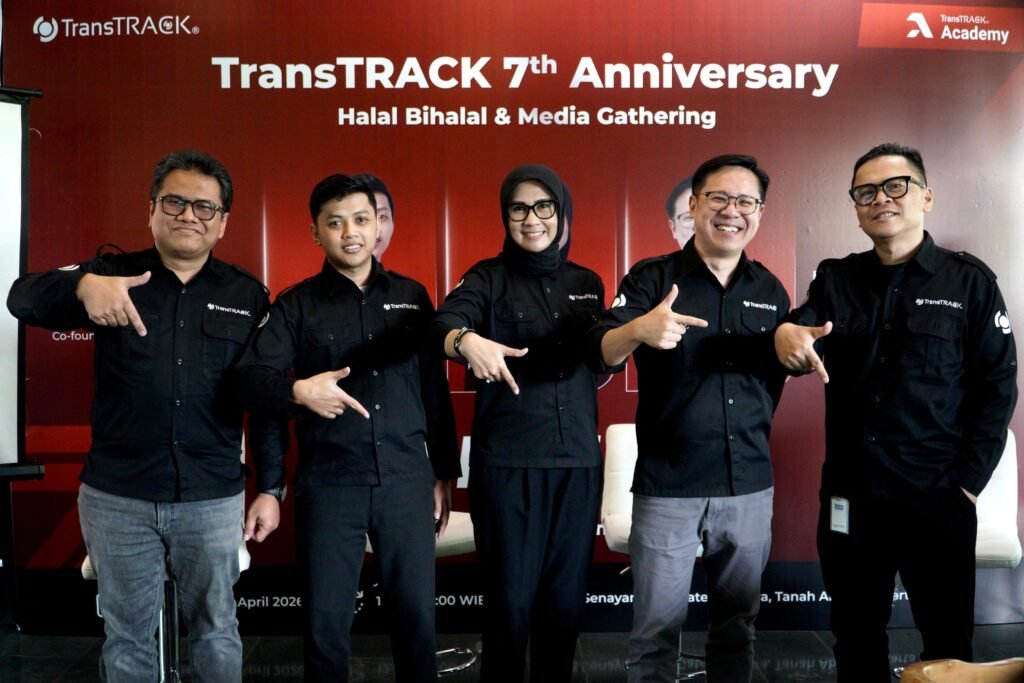
Jakarta, April 15, 2026 — TransTRACK, a leading technology enabler focused on digitizing fleet operations, has announced its accelerated expansion into Southeast Asia and the Middle East, marking a key milestone in its seven years of growth since its establishment in 2019. Following its expansion across Malaysia, Singapore, Australia, and key Middle Eastern markets including Saudi Arabia and Qatar, the company is now targeting further growth in Vietnam and Thailand, as well as additional Middle Eastern markets such as Oman, Bahrain, and Kuwait. Today, TransTRACK serves more than 1,500 clients and operates across Indonesia and multiple international markets, and has been recognized as one of the top three fleet management solution providers in Southeast Asia for two consecutive years, according to Berg Insight. This move reinforces TransTRACK’s ambition to strengthen its position as a leading player in fleet intelligence and supply chain integration globally, amid rising demand for operational efficiency, regulatory compliance, and ESG standards across the logistics and transportation industry. The global fleet management industry is projected to exceed USD 30 billion by 2026 and grow to over USD 120 billion by 2035, according to Global Market Insights. In Southeast Asia, the market remains in an early yet high-growth phase, as highlighted in regional studies including Berg Insight reports. TransTRACK services the entire supply chain ecosystem across both B2B and B2G segments, supporting cargo owners, fleet operators, and government institutions through an integrated end-to-end logistics platform. Anggia Meisesari, Founder & CEO of TransTRACK, said, “As we enter our seventh year, we see strong momentum to scale globally, particularly in Southeast Asia and the Middle East—markets where demand for fleet intelligence continues to grow alongside increasing operational complexity. Our focus is to deliver solutions that are not only globally scalable, but also deeply localized to ensure meaningful and measurable impact in each market.” Amid growing industry pressures—from operational inefficiencies and suboptimal fuel consumption to increasing regulatory and ESG requirements—technology adoption has become critical. Industry studies show that telematics-based optimization can reduce emissions by up to 28% while significantly improving operational efficiency. To address these challenges, TransTRACK offers a fleet intelligence and compliance platform powered by IoT, AI, robotics, and data analytics, delivering real-time visibility, control, and operational intelligence across fleets and assets. Aris Pujud Kurniawan, Co-Founder & CTO of TransTRACK, said, “We built a hardware-agnostic and integration-ready platform that can be seamlessly deployed across existing ecosystems. With AI-powered analytics such as safety scoring, predictive maintenance, and carbon intelligence, we enable clients not only to improve efficiency, but also to manage risk and meet sustainability requirements.” “The industry is shifting toward a future where operational decisions are no longer driven by intuition, but by AI, real-time data, and ESG accountability. Going forward, fleet management will not be just about tracking, but about how AI and ESG data become the new standard in industrial operations,” he added. Beyond technology, TransTRACK continues to demonstrate strong and consistent business performance. In 2025, the company recorded approximately USD 45 million in revenue, supported by a recurring revenue model, with gross margins of around 73%, net margins of around 20%, and a low churn rate of 0.6%. Lim Boon Wei, Group CFO of TransTRACK, said, “We are entering a phase of measured and sustainable growth, supported by strong fundamentals and disciplined capital strategy. Our recurring revenue model provides long-term visibility and enables us to scale while maintaining profitability.” Looking ahead, TransTRACK targets expansion into more than 10 countries and penetration into 10 key industry sectors by 2028. Key sectors include maritime, mining, and plantations, which offer significant market potential along with high ARPU and high switching costs. As part of its growth strategy, TransTRACK is adopting a locally adaptive technology deployment approach, enabling solutions to be tailored to each market’s operational characteristics, regulatory landscape, and level of digital maturity—ensuring more effective implementation and tangible business impact. At the same time, the company is strengthening its financial strategy to support sustained innovation and global expansion through optimized software monetization, margin enhancement, and disciplined capital allocation. To address increasing cross-border operational complexity, TransTRACK continues to enhance its operational capabilities through proactive monitoring systems, guaranteed SLAs, and a robust customer success framework designed to improve retention and extend contract lifecycles. Talent development remains a key priority through TransTRACK Academy. Singapore will serve as the company’s regional hub for orchestrating expansion across Southeast Asia and the Middle East. With a combination of technological innovation, financial discipline, and a well-structured expansion strategy, TransTRACK is well-positioned to strengthen its role as a strategic partner in driving digital transformation and operational efficiency across the global fleet intelligence industry.
Living Lab Ventures (LLV) Attracts Global Investors to Indonesia through Strategic Investment and an Integrated Ecosystem

Jakarta, 13 February 2026 – In an increasingly competitive global investment landscape, success is no longer defined solely by the availability of capital, but by the ability to build strategic collaborations that effectively bridge ideas, markets, and real-world implementation. The combination of cross-border collaboration, execution-ready ecosystems, and strong access to the domestic market has made strategic partnership–based investment models increasingly relevant in attracting global investors to enter and grow in Indonesia. In response to these dynamics, Living Lab Ventures (LLV), the corporate venture capital (CVC) arm of Sinar Mas Land, is strengthening its investment approach through a strategic collaboration ecosystem, particularly in the urban innovation and healthcare sectors. LLV positions itself not merely as an investor, but as a strategic collaboration platform that orchestrates synergies among global investors, corporations, startups, institutions, and strategic partners within a structured, execution-oriented framework. These strategic insights were presented during the LLV Corporate Update and Media Briefing titled “Mobilizing Capital and Global Partnership: Powering Urban and Healthcare Innovation,” held on Wednesday, 11 February 2026, at The Energy Building, South Jakarta. Mulyawan Gani, CEO of Digital Business Sinar Mas Land and Managing Partner of LLV, stated, “Global investors today are looking for more than just investment opportunities. They need partners who can orchestrate collaboration and ensure clear implementation pathways. LLV serves as a strategic bridge connecting global capital with local ecosystems in an integrated manner. This approach positions LLV as a partner capable of lowering market entry barriers and accelerating the validation and adoption of solutions.” LLV’s strategic collaboration model ensures that every investment is supported by a structured go-to-market strategy, access to strategic partners, and clear implementation support. Beyond connecting investors and innovators, LLV also facilitates integration with corporations and relevant ecosystems to enable sustainable business growth. Bayu Seto, Partner at LLV, added, “Our role is to act as a catalyst for cross-border collaboration. We ensure that every partner has access to the networks, infrastructure, and ecosystem needed to scale. With this approach, global investors can move faster and enter the Indonesian market with greater confidence.” Currently, LLV manages four thematic investment vehicles: the City Centric Fund, the Healthcare Fund, the Urban Gateway Fund, and one of its latest funds, the Japan Thematic Fund. All of these investment vehicles are focused on sectors with strong long-term growth potential, particularly in urban development and healthcare services, with an emphasis on implementation readiness, market adoption, and the creation of measurable economic impact. LLV’s key strength lies in its ability to provide a clear entry pathway for global investors and partners. Through its integrated ecosystem, LLV supports global investors not only in deploying capital, but also in understanding the local market context, building relevant local partnerships, and accelerating implementation. This comprehensive approach has strengthened global investor confidence in entering the Indonesian market. Supported by the BSD City ecosystem as a living laboratory and implementation sandbox, LLV provides a space for global partners to pilot solutions, localize business models, and accelerate market development within an integrated environment. Through initiatives such as the International Landing Pad and LLV Innovation Lab (InnoLab), LLV presents a collaboration model that enables global investors and innovators to establish a stronger and more sustainable presence in Indonesia. By strengthening its strategic collaboration–based investment model, LLV reaffirms its commitment to becoming a platform that brings together global capital, innovation, and local ecosystems within a sustainable synergy framework—driving the acceleration of urban innovation and healthcare services while strategically and systematically attracting global investor participation.
Sinar Mas Land, through Digital Hub in collaboration with the British Council, Welcomes Delegations from More Than 25 UK Universities, Strengthening BSD City’s Position as a World-Class Education Township
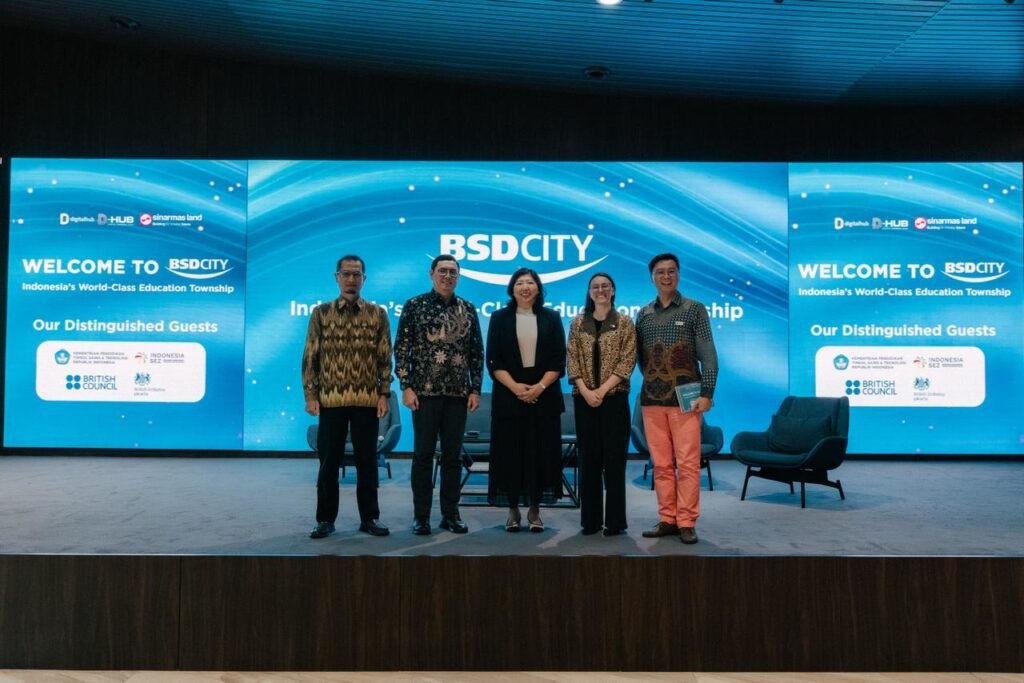
BSD City, 11 February 2026 – Sinar Mas Land, through Digital Hub, welcomed a high-level delegation from the British Council together with representatives from more than 25 leading UK universities to the Banten Special Economic Zone for Education, Technology, and International Healthcare (KEK ETKI Banten), also known as the D-HUB Special Economic Zone (SEZ) in BSD City. The visit, which formed part of the British Council East Asia Education Week 2026, marked a strategic step in strengthening higher education cooperation between Indonesia and the United Kingdom, while reinforcing BSD City’s position as a World-Class Education Township developed by Sinar Mas Land. This visit forms part of efforts to strengthen bilateral relations between Indonesia and the United Kingdom, in line with the outcomes of President of the Republic of Indonesia Prabowo Subianto’s working visit to the UK on January 20, 2026, which underscored higher education as a key pillar in the development of human capital. According to data from Statistics Indonesia (BPS), the country currently has a population of approximately 287 million, with around 70 percent comprising Generation Z and Millennials. With Indonesia’s higher education participation rate approaching 50 percent, international collaboration has become crucial in responding to the growing demand for high-quality tertiary education in the country. During the visit, Sinar Mas Land, through Digital Hub, introduced UK university leaders to its vision of transforming BSD City into an integrated innovation ecosystem, supported by world-class infrastructure, regulatory certainty, and investment schemes tailored for international institutions to meet the growing demand for high-quality higher education. Through direct dialogue with the Ministry of Higher Education, Science, and Technology and the National Council for Special Economic Zones (KEK), the delegates explored opportunities for the development of international campuses, Transnational Education (TNE) programs, and long-term research collaboration. The participation of leading universities including King’s College London, Durham University, the University of Edinburgh, the University of Bristol, the University of Glasgow, the University of Leeds, the University of St Andrews, Newcastle University, the University of Liverpool, and the University of Exeter—signals significant potential for increasingly concrete collaborative partnerships. Dr. Beny Bandanadjaja, S.T., M.T, Director of Learning and Student Affairs, Directorate General of Higher Education, Ministry of Higher Education, Science and Technology stated, “We recognise that Indonesia needs partners from other countries. The United Kingdom, for instance, has a long-standing history of developing high-quality higher education. Therefore, we hope that this cooperation—including the establishment of foreign university branch campuses in Indonesia—will contribute to enhancing and strengthening the quality, relevance, and impact of higher education in Indonesia. The establishment of Special Economic Zones (SEZs) in Indonesia also facilitates foreign universities seeking to establish campuses in the country, as these zones offer special regulatory incentives provided by the Indonesian government to support campus development. Beyond that, we expect foreign universities not only to establish their own institutions, but also to collaborate with Indonesian higher education institutions. Through such collaboration, we hope Indonesian universities will be encouraged in progressing towards international standards. Summer Xia, Country Director Indonesia and Director for South East Asia at the British Council, said “At the British Council, we believe that international education partnerships are most effective when they are firmly rooted in local contexts and aligned with national priorities. Today’s visit offers a tangible opportunity for UK university leaders to see first-hand how Indonesia integrates higher education, innovation, and economic development through the Special Economic Zone (KEK) policy in BSD City. This is precisely why we chose BSD City as the venue for this year’s British Council East Asia Education Week. This integrated township reflects Indonesia’s vision of linking higher education with industry and innovation ecosystems. For international partners, this opens up opportunities to move beyond traditional models of collaboration towards more integrated, impact-oriented, and long-term sustainable partnerships.” Bambang Wijanarko, Head of the Bureau for the Control of Special Economic Zones (SEZ), Secretariat General of the National SEZ Council, expressed his support for the British Council’s visit, in line with the direction and commitment of the President of the Republic of Indonesia to strengthening partnerships with leading universities in the United Kingdom for the development of higher education within SEZs. During the President’s visit to the UK, strengthening partnerships for the establishment of new universities in Indonesia became part of the strategic agenda. “We welcome and look forward to the presence of leading UK universities in the ETKI Banten SEZ (D-HUB SEZ) and the Singhasari SEZ as quick wins in realizing the President’s directive to strengthen partnerships between Indonesia and UK universities.” At the same occasion, Irawan Harahap, CEO of Digital Tech Ecosystem & Development Sinar Mas Land, added, “We warmly welcome the visit by the British Council together with representatives from more than 25 leading UK universities, which marks a strategic momentum in strengthening BSD City’s position as a global center for education and innovation. Through Digital Hub and the KEK ETKI Banten, we are not only providing physical infrastructure, but also building an integrated ecosystem supported by regulatory certainty, competitive investment schemes, and strong connectivity between campuses, industry, and government. Education is a fundamental pillar in the development of future cities, and through this international collaboration, we hope to foster an environment that enables global education institutions to grow, collaborate, and make sustainable contributions to talent development and research in Indonesia.” BSD City has evolved into one of Indonesia’s largest and most ambitious integrated smart cities, spanning more than 6,000 hectares with a projected population of 4.5 million by 2035. The mega township is now home to Monash University, Indonesia, Apple Developer Academy @BINUS, Fuji Academy, BINUS University, Prasetiya Mulya, and Atma Jaya University. BSD City is also supported by a range of leading international schools such as ACS, Deutsche Schule Jakarta, Sinarmas World Academy, Jakarta Nanyang School, Sampoerna Academy, Genesis Global Community School, Ilon Academy, Wellington College Independent School Jakarta, and SIS. Through this delegation visit, Sinar Mas Land, through Digital Hub, reaffirmed its commitment to positioning BSD City as a strategic platform for international education and research institutions seeking