Jakarta, 16 July 2025 – Amid the growing urgency of the climate crisis and increasing pressure on Indonesia’s natural resources, Pagatan Usaha Makmur (PUM) is taking a strategic role in accelerating the national decarbonization agenda. Through the PLUM Project in Central Kalimantan, PUM offers a large-scale nature-based solution that integrates the reforestation of degraded lands, community empowerment, and the issuance of internationally certified carbon credits—serving as a concrete contribution toward Indonesia’s Net Zero Emissions 2060 target.
PUM has developed a nature-based approach that not only significantly reduces carbon emissions, but also restores biodiversity, increases ecosystem resilience, and opens new economic pathways for forest-adjacent communities. By applying the Climate, Community, and Biodiversity (CCB) standard, the 23,665-hectare peatland and mangrove area under management has remained free of forest fires since 2021, contributing to both emission reduction targets and ecosystem restoration.
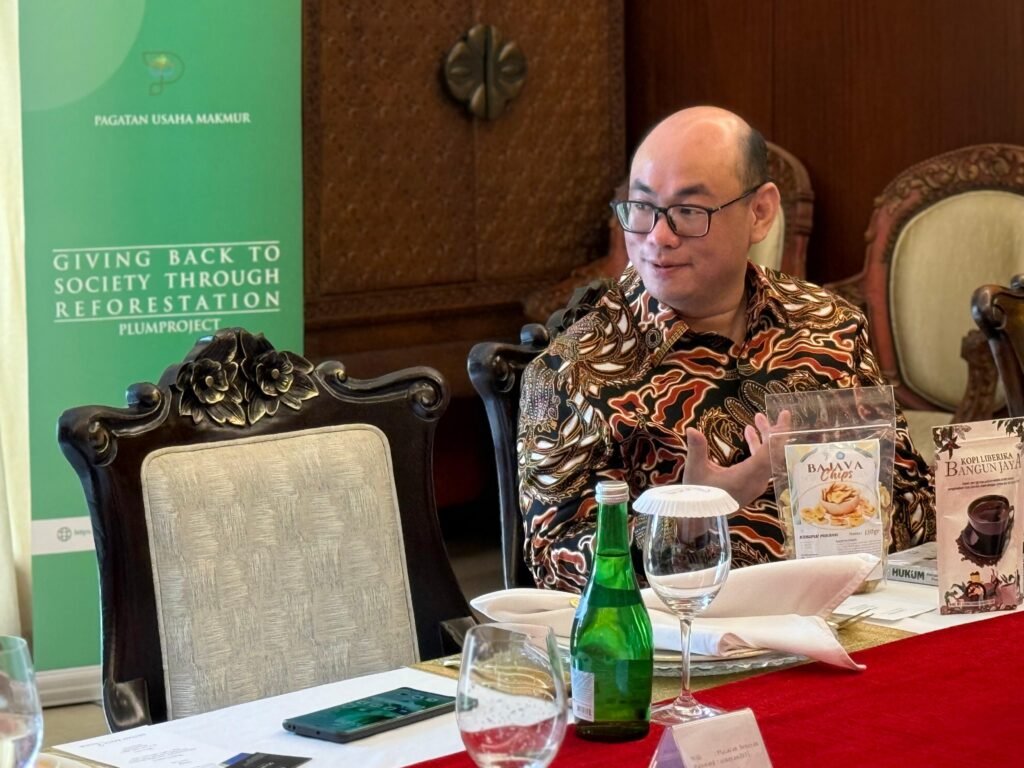
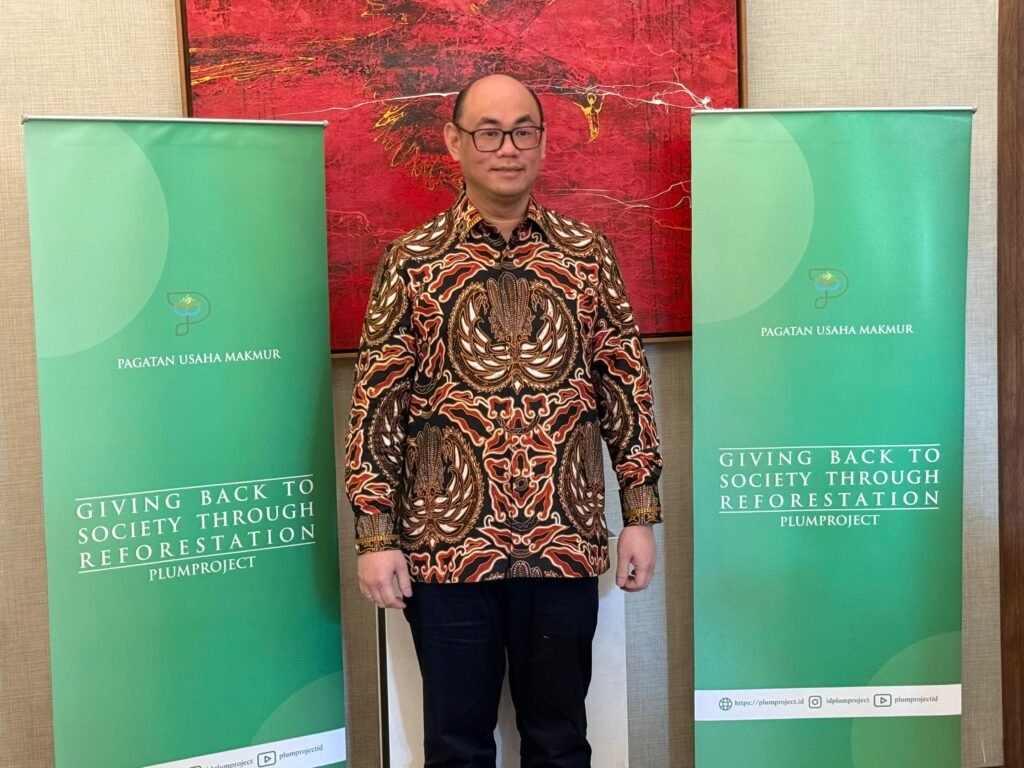
Dr. Rio Christiawan, Co-Founder & CEO of PUM, emphasized, “Decarbonization cannot remain a discourse—it must become part of the business model. We believe forests are strategic instruments for creating carbon-based economic value while ensuring ecological and social justice.”
PUM’s commitment to Environmental, Social, and Governance (ESG) principles is reflected in every stage of its project development—from sustainable environmental management and meaningful community engagement to transparent and accountable corporate governance. By implementing technology-based monitoring and independent reporting mechanisms, PUM ensures that the environmental and social impacts of each intervention are measured objectively, reinforcing project integrity and long-term investor confidence.
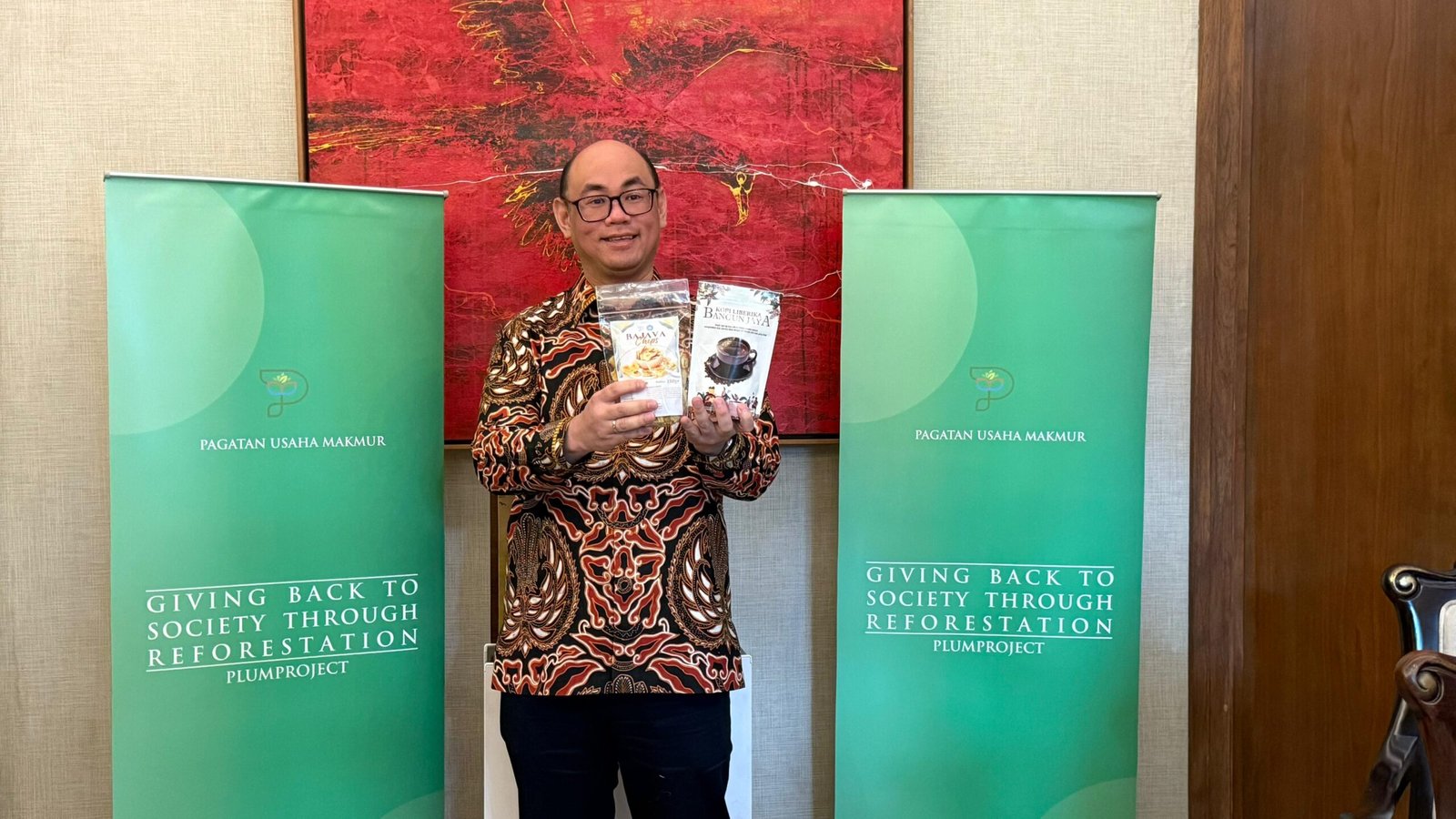
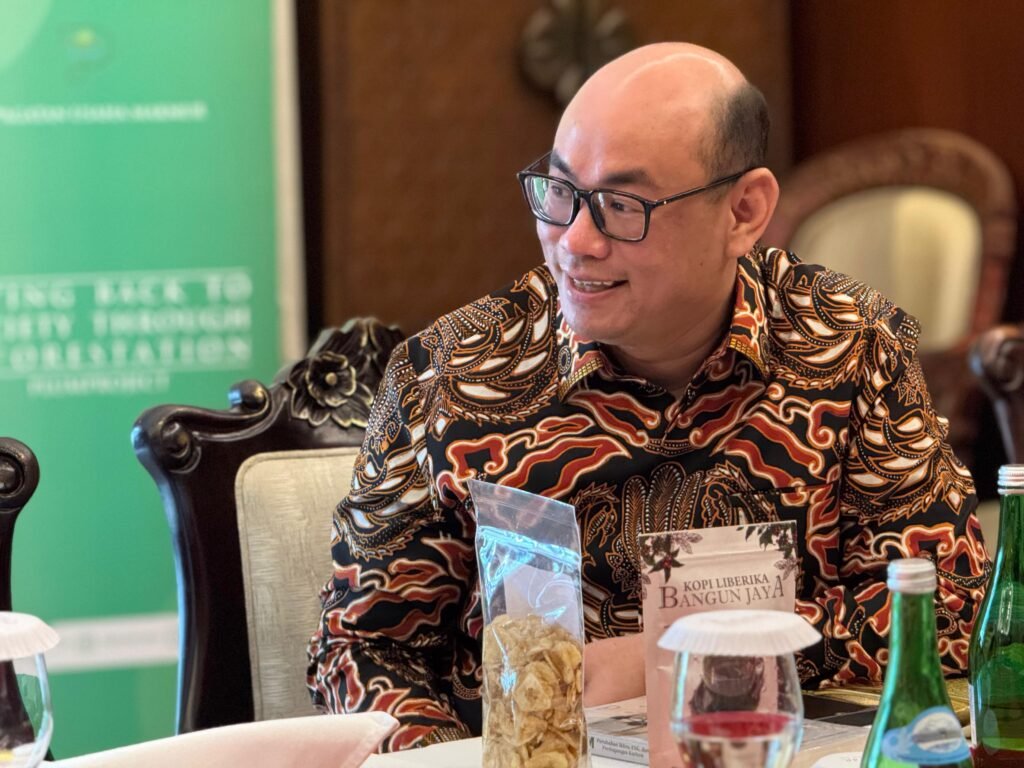
Aligned with the energy transition and low-carbon economy agenda, PUM ensures that its decarbonization process is not exclusive, but inclusive. Over 2,200 residents across seven villages have benefited directly through training in regenerative agriculture, biochar development, circular MSMEs such as coffee and local snacks, and improved access to clean water, healthcare, and education.
“PUM also collaborates with local universities to enhance business literacy and product certification, such as halal and home industry standards. Our principle is clear: communities are not passive recipients—they are the main actors in nature-based economic development,” said Dr. Rio Christiawan, Co-Founder & CEO of PUM.
PUM has also trained over 800 farmers, including women’s groups, to adopt regenerative land management practices. This aligns with the global decarbonization strategy that prioritizes community-based carbon resilience.
“We believe local communities are not objects, but key agents of decarbonization. Restoration will not succeed without restoring trust and economic dignity. Our broader vision is to create a carbon ecosystem that is credible, inclusive, and results-driven—where carbon is not only reduced but governed, utilized, and distributed equitably,” Rio added.
While carbon sales have yet to fully commence due to pending government regulation, PUM has completed key foundational steps such as FPIC (Free, Prior, and Informed Consent) and social impact assessments, and has begun exploring carbon trading via both B2B transactions and carbon exchanges. The development of biochar from rice husks, processed through pyrolysis into natural fertilizer, has emerged as a strategic extension of the reforestation project—reducing open burning while advancing an inclusive circular economy through community co-operatives.
This project reflects a spirit of independence and grassroots idealism in advancing sustainable development. As a long-term initiative designed to run through 2060—in line with the Paris Agreement and Indonesia’s Net Zero targets—PUM underscores the need for cross-sector collaboration and forward-looking policies to ensure Indonesia’s carbon potential is monetized fairly and optimally.
Indonesia holds over 12 million hectares of degraded land and a potential US$100 billion carbon credit market over the next two decades (KLHK). Yet the sector’s contribution to Indonesia’s Nationally Determined Contributions (NDC) and the global carbon market remains limited, hindered by overlapping regulations, low carbon literacy, and limited green investment.
Through a science-driven approach and multi-stakeholder partnerships, PUM rises to meet this challenge—positioning itself as a provider of premium carbon credits that bolster Indonesia’s global standing in the climate economy.
As part of the Hutan Kencana Group, PUM is committed to becoming one of Southeast Asia’s leading ecosystem restoration developers, supporting regional decarbonization goals.